Demo Reel Labelmarket
This case study covers my journey as a digital designer at Labelmarket, a company with an international presence and eight active business lines.
Since 2022 I have been the only designer on the team. With a background in 3D, motion graphics and digital design, and a progressive specialisation in web design and UX, this role has allowed me to put the full spectrum of my capabilities into practice, which has meant working in parallel with departments as different as software, marketing, sales, management and factory. Having to adapt the work and approach to the specific needs of each one, always within tight deadlines and with multiple projects running simultaneously.
Digita Design
UX Design
3D Design
Motion Graphics
Digital Design
UX Design
3D Design
Motion Graphics
Web Design
Graphic design
Web Design
Graphic Design
Product Design at Labelmarket
Beyond visual design: real product, real teams, real impact.
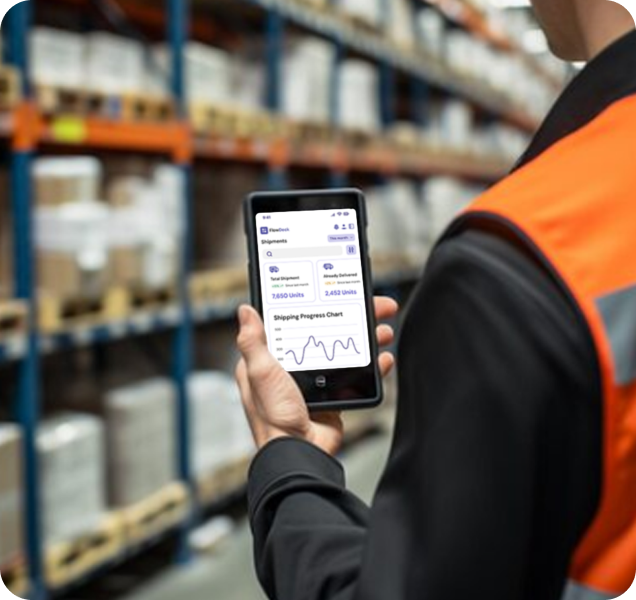
Within my role as the sole designer, a significant part of my work has been internal digital product design. I collaborated directly with the software team on the UX/UI design of custom management applications, from problem definition and research through to wireframes, information architecture and the final interface in Figma.
To bring coherence and scalability to all internal digital products, I developed and implemented a proprietary design system, components, typography, colour palette, states and iconography, that homogenised the visual language across all applications and streamlined the design process with every new iteration.
This type of project has required working in close integration with technical profiles, understanding the real needs of end users and making design decisions that balance usability, scalability and industrial context.
Want to see my full process on a project like this? In the FlowDeck case study I document the complete redesign of a real warehouse management system — from research to final UI.
View Case Study

Design System
Bringing Order to Chaos
When I joined Labelmarket, there was no design system in place. Not even the logo had been properly defined: there was no master file, and people would simply take screenshots from previous versions, resulting in quality loss and inconsistent colours every time.
The rest of the brand material was built using unrelated Canva templates, meaning that each department was producing designs that looked completely different from one another.
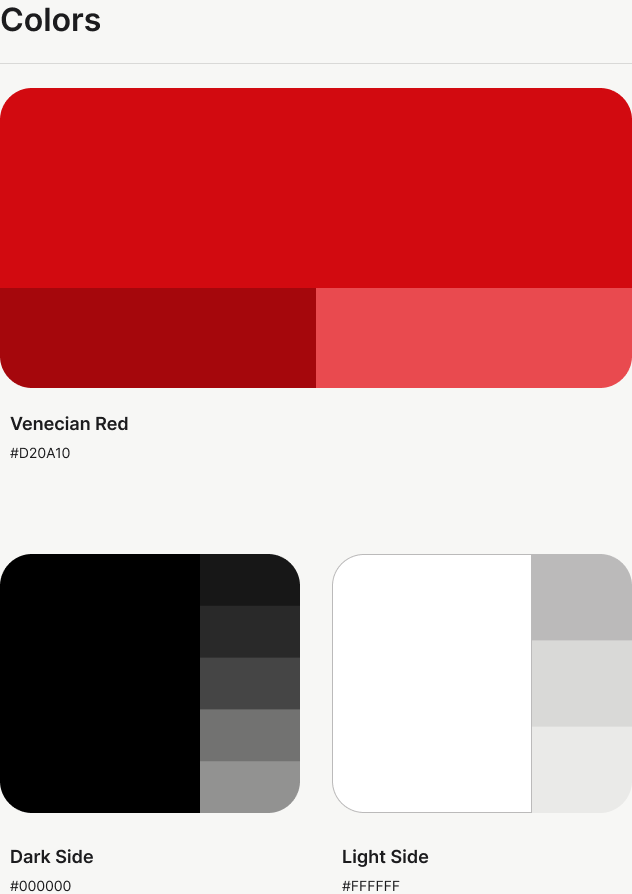
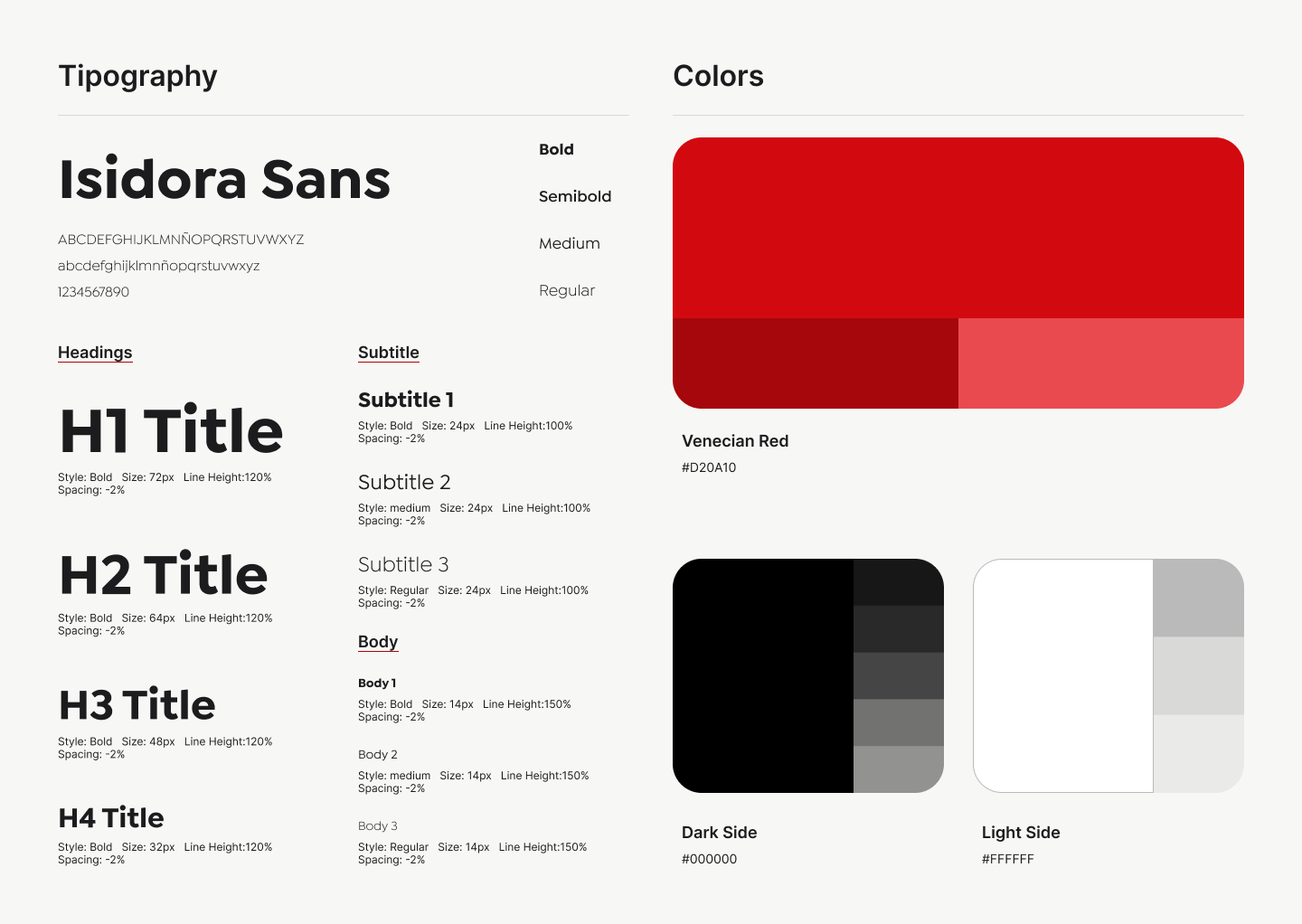
I started with the basics. I vectorised the logo and updated the colour palette to the correct corporate colours, while slightly expanding it with gradients based on the same tones. This transformed a stagnant three-colour palette into a more flexible system with greater range, without losing consistency with the brand identity.
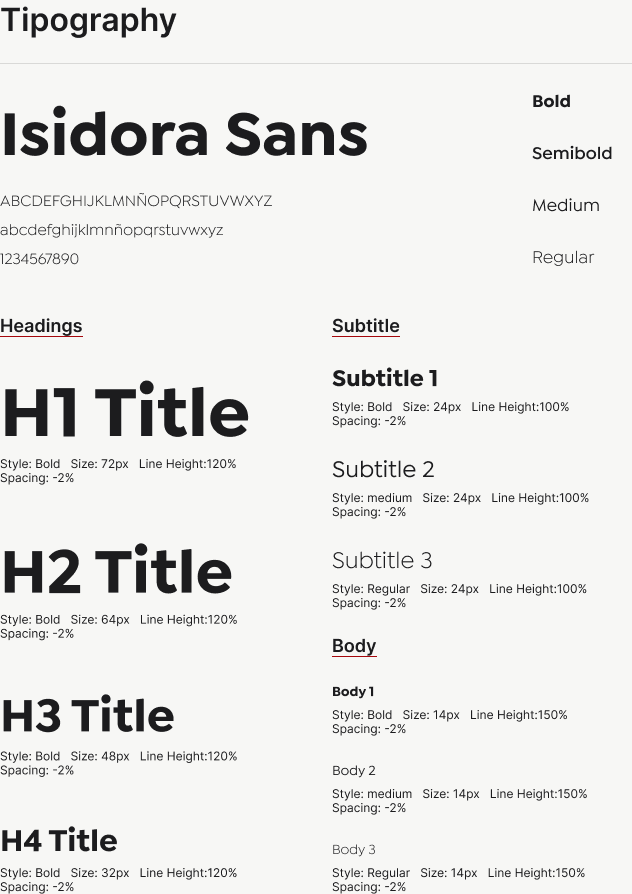
The default typeface was Calibri. I advocated for switching to a typeface with more personality and a stronger sense of professionalism, one that better suited a modern and competitive environment while allowing for more impactful headlines.
Design System
From Inconsistency to a Shared Standard
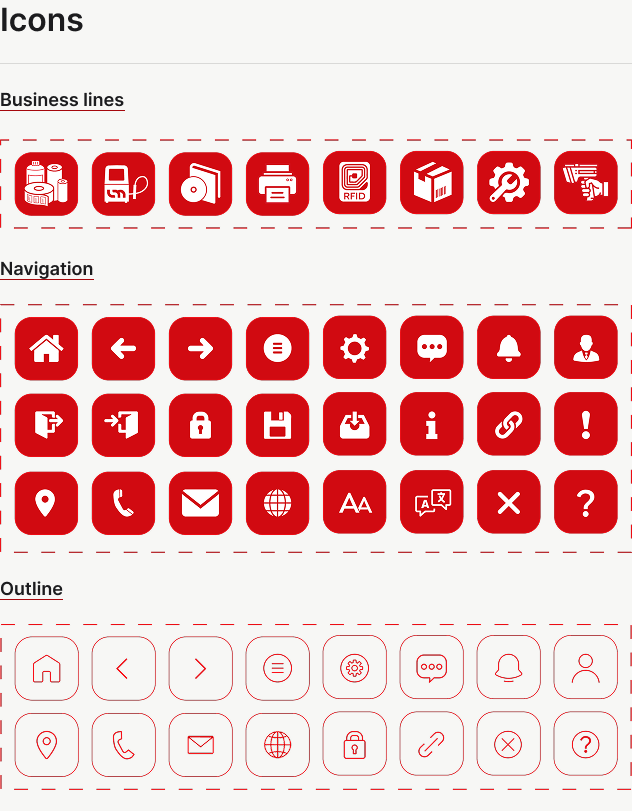
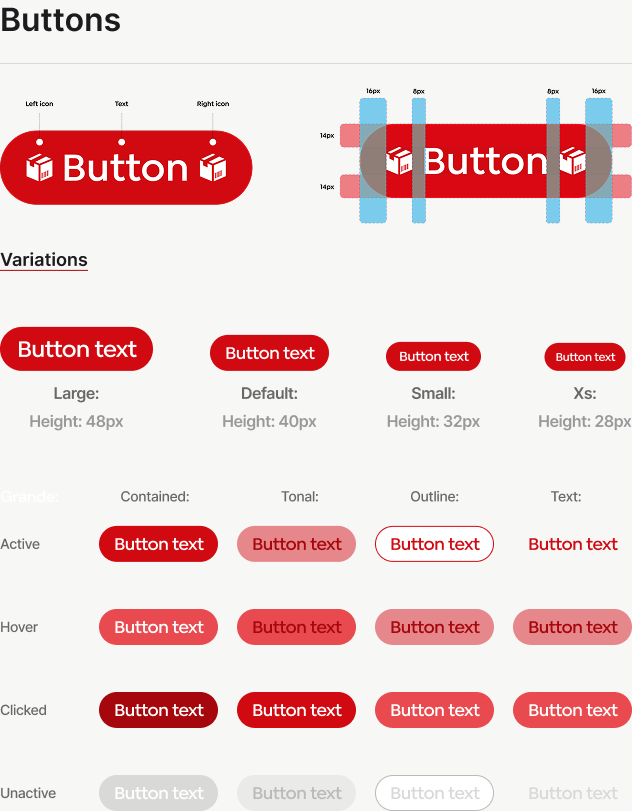
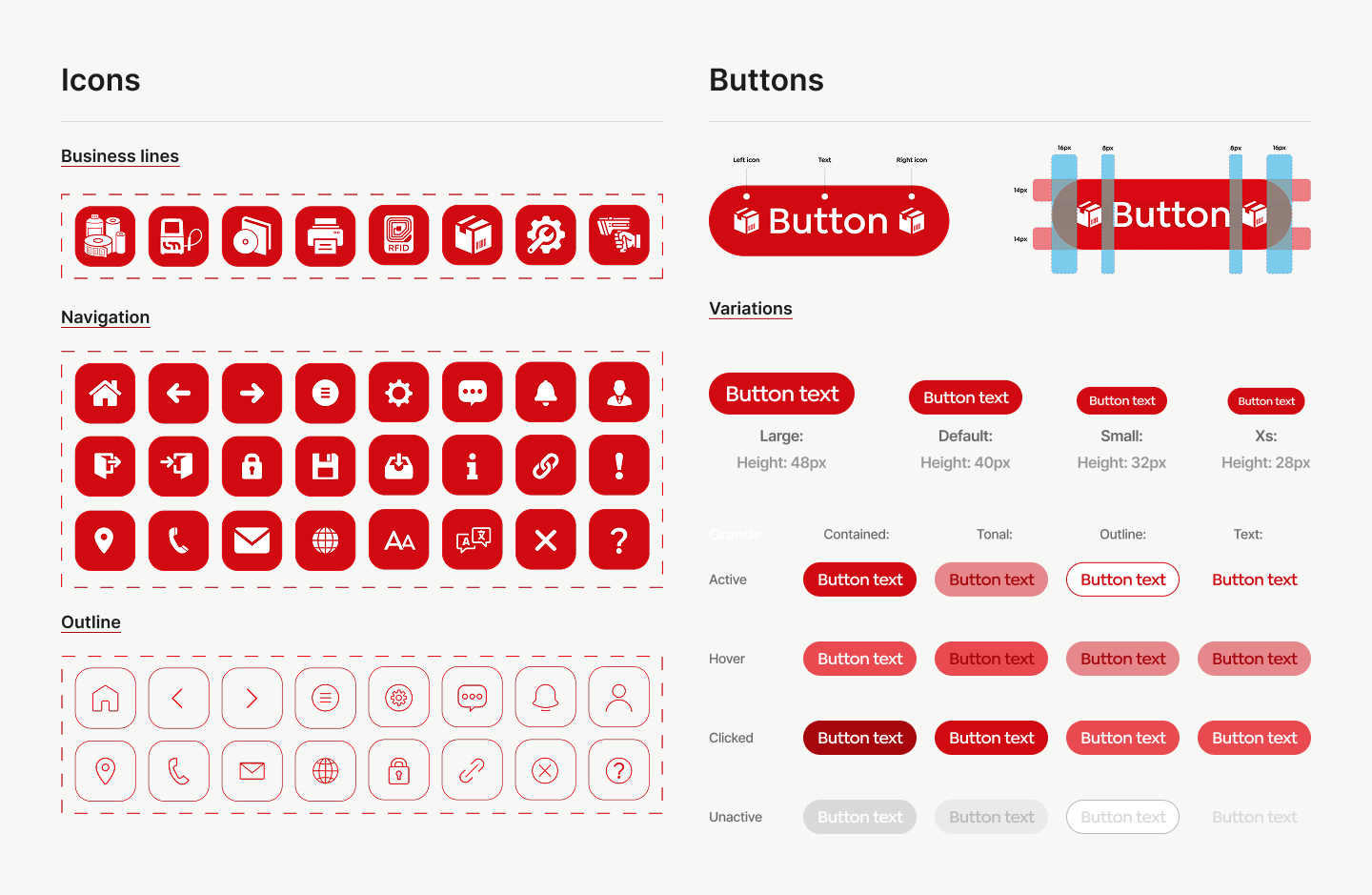
The most urgent issue came from the development team. Without an icon library or a component system, software teams were building interfaces using random images and icons sourced from the internet, with different styles, colours, and typography across each screen. The result was an inconsistent navigation experience from beginning to end, with each screen feeling different from the next.
Solving this meant sitting down with the development team, understanding their actual needs, and building a shared library of iconography and components, including buttons, padding, spacing, corner radius, and more.I created a design system based on the principles of Atomic Design, allowing every necessary design element to be properly documented and implemented for each system and external request.
Solving this meant sitting down with the development team, understanding their actual needs, and building a shared library of iconography and components, including buttons, padding, spacing, corner radius, and more.I created a design system based on the principles of Atomic Design, allowing every necessary design element to be properly documented and implemented for each system and external request.
Design System
From Theory to Implementation
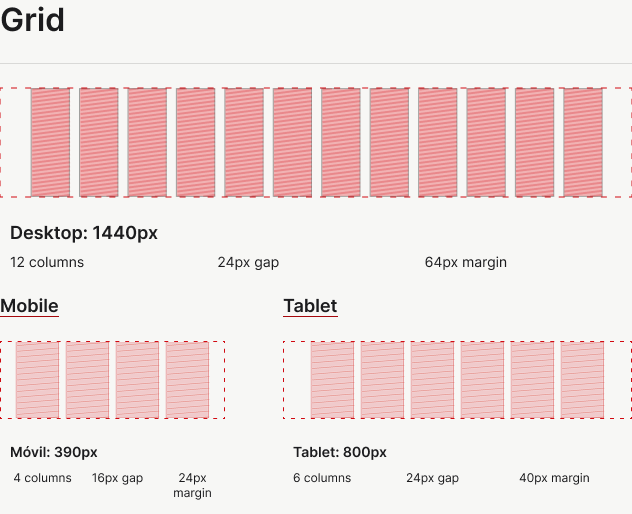
I left nothing open to interpretation. I documented spacing, padding, typography, and colour for every context, as well as the responsive grid for desktop, tablet, and mobile, including the rules for each type of menu and section.
Since then, the system has remained stable. It has been occasionally updated or expanded in response to client requests or technical constraints related to different resolutions, but its core principles have remained unchanged. The main challenge was to build the system properly, document it thoroughly, and make sure it was fully implemented. Today, development teams know exactly how to build each screen without requiring constant supervision. Consistency is no longer dependent on me, it is built into the system.
Since then, the system has remained stable. It has been occasionally updated or expanded in response to client requests or technical constraints related to different resolutions, but its core principles have remained unchanged. The main challenge was to build the system properly, document it thoroughly, and make sure it was fully implemented. Today, development teams know exactly how to build each screen without requiring constant supervision. Consistency is no longer dependent on me, it is built into the system.
My Role
Cross-departmental collaboration
Being the only designer in a company of this size has meant being in constant conversation with very different teams. Each department had its own objectives, timelines and languages.
My work was to understand all of them and translate them into coherent solutions without losing sight of what was being built globally.
My work was to understand all of them and translate them into coherent solutions without losing sight of what was being built globally.
My Role
From idea to deliverable
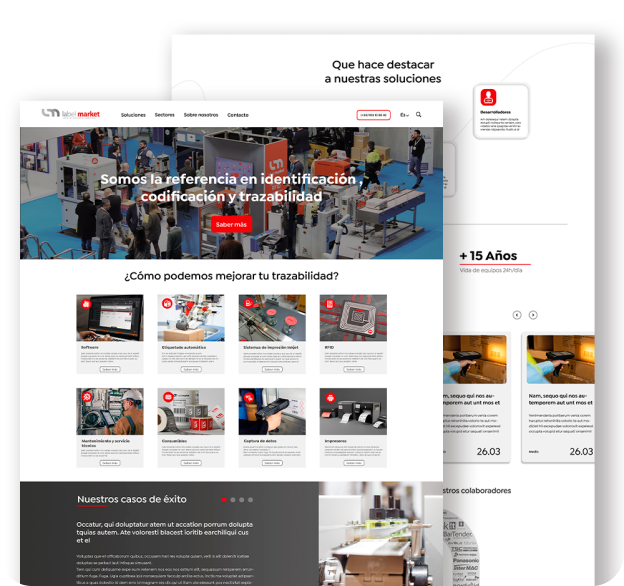
I have led projects from start to finish autonomously, from concept definition to final delivery. This has included UX/UI design for digital products in Figma alongside the software team, and the redesign and layout of the corporate website with the marketing department, proyects that have required both design judgement and the ability to manage and communicate with technical profiles.
My Role
Brand presence at international events
A significant part of my work has involved building Labelmarket’s visual presence at international trade shows and events. Beyond producing individual assets, including 3D animations and motion graphics developed specifically for each event, I have coordinated the complete stand design, managed the logistics and transportation of materials, and overseen the entire setup process.
These specialised trade shows, focused on identification and packaging, brought together hundreds of industry professionals each day, turning them into real-time feedback sessions with actual users and potential customers. Seeing how they responded to our digital products, listening to what they needed or felt was missing, provided valuable insights that I brought directly into the product design process.
These specialised trade shows, focused on identification and packaging, brought together hundreds of industry professionals each day, turning them into real-time feedback sessions with actual users and potential customers. Seeing how they responded to our digital products, listening to what they needed or felt was missing, provided valuable insights that I brought directly into the product design process.
My Role
Versatility as a tool
The breadth of the role has required combining very different disciplines, product design, web design, 3D animation, motion graphics and project coordination, knowing when and how to apply each one. Analysing the requirements that teams demanded at any given moment and using my multidisciplinary versatility as a tool.

Mi Rol
Reflection
Four years as the sole designer in a growing company teaches something that cannot be learned in any other context: how to make decisions with your own judgement when there is no one else to validate them, and how to defend them clearly when there is.
Versatility was not a choice, it was a requirement. And over time it became the most valuable part of my profile.
Versatility was not a choice, it was a requirement. And over time it became the most valuable part of my profile.